
How Should Soccer Players Lift Weights to Boost Performance
If you’re asking yourself, how should soccer players lift weights, you’re on the right track. Weightlifting isn’t just about bulking up—it’s a crucial part of becoming a stronger, faster, and more durable player.
Soccer demands speed, agility, and endurance, but it also requires strength to win battles, stay balanced, and prevent injuries. So how do you lift weights without losing your quickness or risking burnout?
The key is a smart, tailored approach. Soccer players should focus on functional strength—training muscles to perform better on the field, not just look stronger in the gym. That means lifting weights with purpose: emphasizing power, explosiveness, and injury prevention.
Here’s what you need to know:
- Lift with controlled intensity. Heavy weights have their place, but it’s more about quality reps than maxing out every time. Explosive movements like squats, lunges, and deadlifts improve speed and power.
- Train 2 to 3 times per week. During pre-season and off-season, aim for consistent weight sessions to build a solid foundation. During the season, scale back to avoid fatigue but keep your strength sharp.
- Focus on lower body and core. Soccer is all about strong legs and a stable core to generate power and stay balanced. Exercises targeting these areas give you the edge in every sprint and tackle.
- Prioritize recovery. Strength gains happen outside the gym. Rest, proper nutrition, and mobility work are essential to stay injury-free and perform at your best.
Weightlifting for soccer players is not about getting bulky; it’s about building the right kind of strength that translates directly to better performance on the pitch.
In this guide, I’ll break down exactly how you can lift weights the smart way—so you develop power, speed, and durability without compromising your soccer skills.
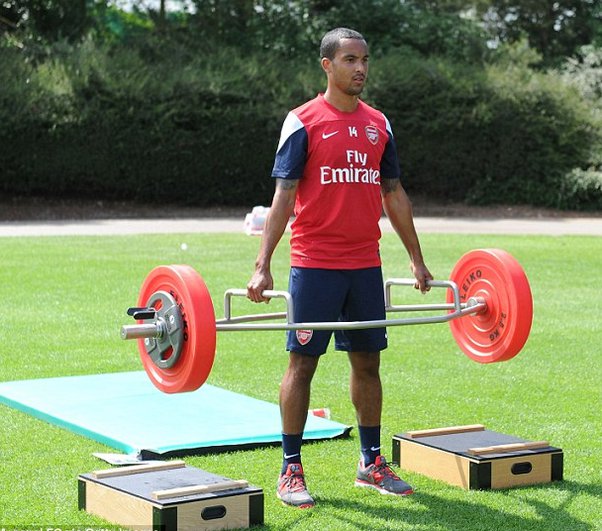
How Should Soccer Players Lift Weights
In this article, I’ll walk you through everything you need to know about how soccer players should lift weights—step by step. You can read it all from start to finish or jump straight to the parts that matter most to your game right now.
Make sure you watch the video tutorials I’ve included—they break down key exercises and techniques so you can train smarter, not just harder.
And don’t miss the special free gift waiting for you at the end. It’s designed to help you build strength, stay injury-free, and unlock your full potential on the field.
Get ready to take your training to the next level. Your stronger, faster, and more powerful soccer self starts here.
- Do soccer players lift weights?
- Should soccer players lift heavy weights?
- How often should soccer players lift weights?
- Do soccer players need to lift weights?
- How to become a better soccer player, improve faster & achieve more!
I hope this article helps you understand how should soccer players lift weights. Let’s go!
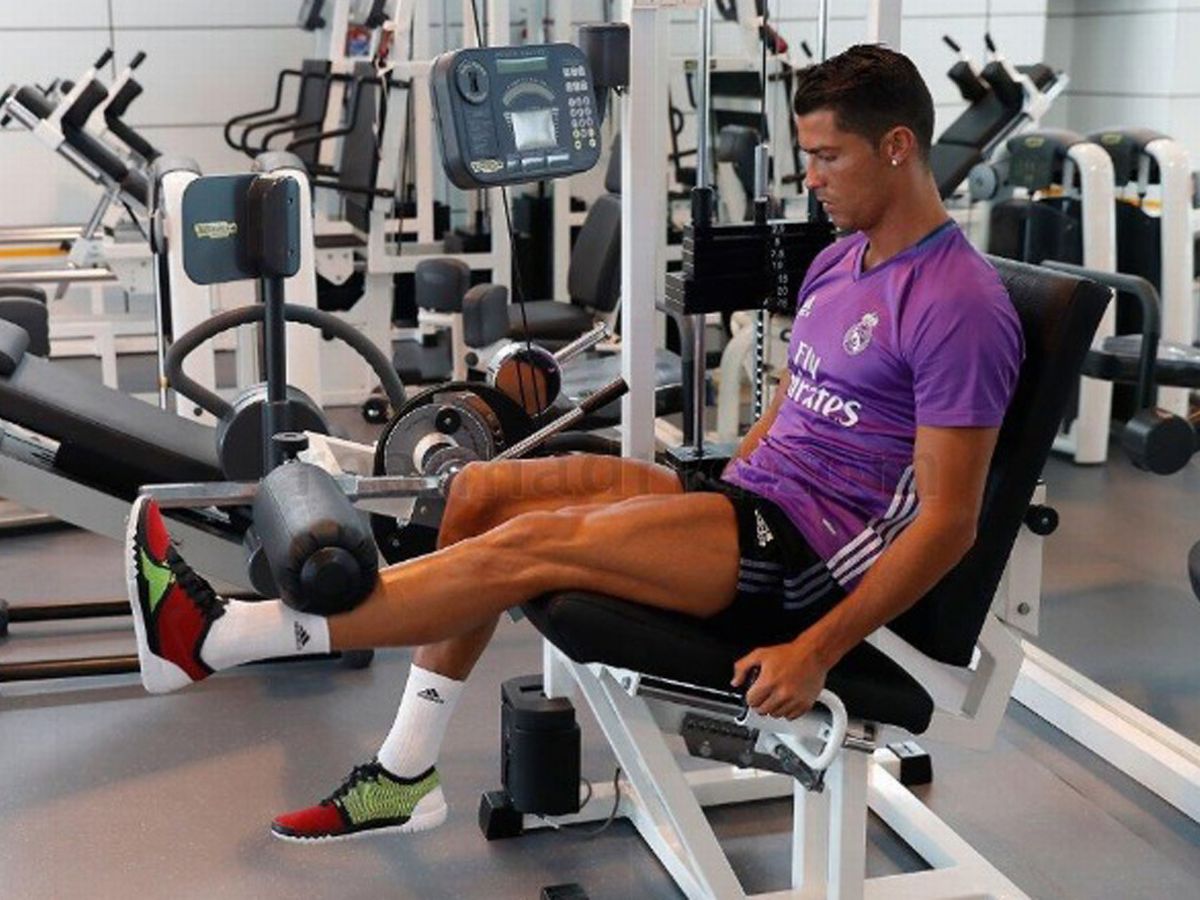
Do Soccer Players Lift Weights?
Yes, weight training is a game-changer for many soccer players who want to boost their fitness and dominate on the field.
Soccer is all about endurance, speed, and agility—but adding strength through smart weightlifting takes your performance to a whole new level. Stronger muscles mean better balance, faster explosive moves, and a body built to handle the physical battles of the game without breaking down.
But here’s the truth: how soccer players should lift weights isn’t one-size-fits-all. Your training needs to fit your position, your body, and your goals.
Not every player lifts weights—some thrive with bodyweight workouts, plyometrics, or functional drills that build strength in different ways. The key is choosing what works best for you and committing to it consistently.
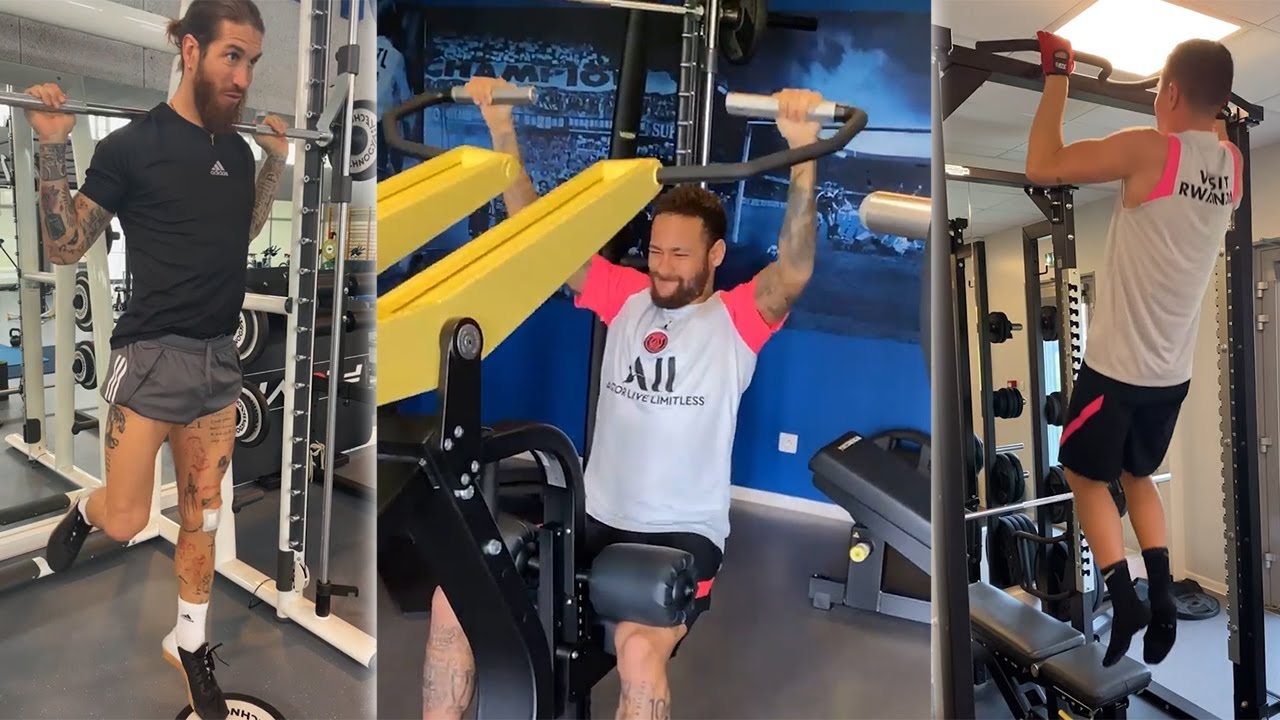
Should Soccer Players Lift Heavy Weights
Soccer isn’t about raw strength—it’s about mastering a perfect balance between speed, agility, endurance, and explosive power. Your training needs to reflect that.
That’s why most soccer players focus on exercises that boost agility, power, and stamina, all while keeping injury risk low. It’s not about piling on heavy weights for the sake of it.
Instead, you want movements that mimic the game—quick, dynamic, and functional. That means higher reps with lighter weights or bodyweight exercises designed to build functional strength—the kind that makes you faster, sharper, and tougher on the field.
So, should soccer players lift heavy weights? The answer is: it depends on your goals. Heavy lifting isn’t off-limits, but it should never come at the cost of your speed or agility. Your weight training should always serve your performance—helping you move better, not slowing you down.
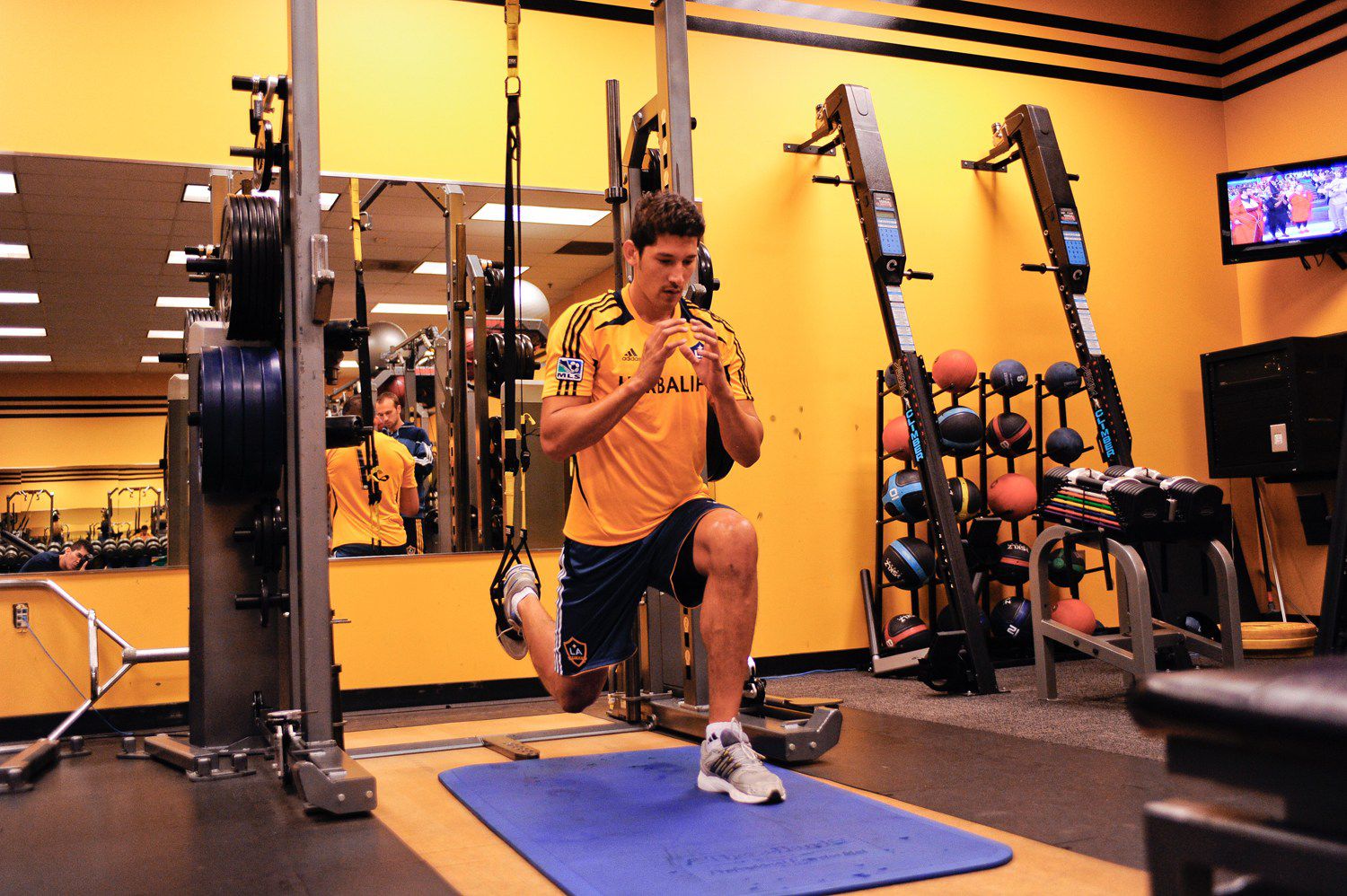
How Often Should Soccer Players Lift Weights
When it comes to how often soccer players should lift weights, the answer depends on your season and workload. Most players hit the weights 2 to 3 times a week during the off-season or when matches aren’t piling up. This is when you build strength and power without worrying about fatigue holding you back.
Once the season kicks in, training frequency usually drops to 1 or 2 sessions a week. Why? Because your body needs to recover and stay fresh for games and skill sessions. Overdoing it with weights during a busy match schedule can drain your energy and increase injury risk.
The real game-changer is finding the right balance between weight training, skill work, matches, and rest. Soccer players are juggling a lot, so timing your sessions smartly is key to maintaining peak performance.
Your focus will also shift throughout the year. Pre-season is all about building a solid foundation—strength, power, and resilience. As you move into the competitive season, weight training becomes about maintenance and injury prevention. You’ll adjust the intensity and volume to keep your body in top shape without burning out.
Mastering this balance will help you stay strong, fast, and ready to dominate every time you step on the field.
Do Soccer Players Need To Lift Weights
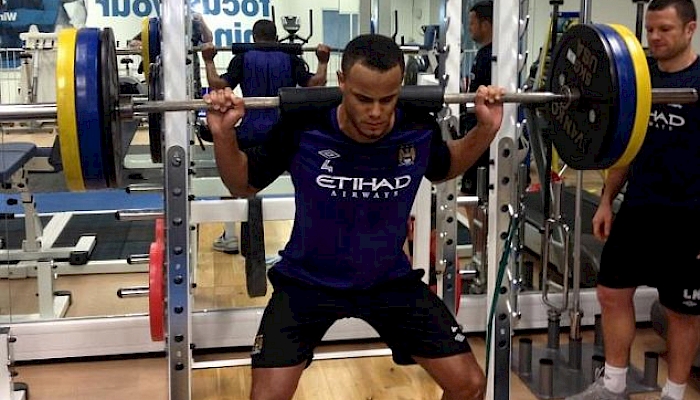
Weightlifting can definitely boost your game, but it’s not the only way to become a top soccer player. In fact, many players reach their peak by combining functional training, bodyweight exercises, agility drills, and skill practice tailored to the demands of soccer.
Bodyweight exercises are gold for soccer players because they mirror the movements you actually use on the field. They build functional strength, improve your balance, and sharpen your agility—all the things you need to outmaneuver opponents and stay strong under pressure.
So, do soccer players have to lift weights to perform at their best? The short answer is no. You can be highly effective on the pitch without ever stepping into a gym.
The beauty of bodyweight training is that it’s flexible and accessible—you can do it anywhere, anytime, even when you’re traveling or don’t have access to a gym. That makes it a powerful tool in your training arsenal, no matter your level.
Should Soccer Players Lift Weights
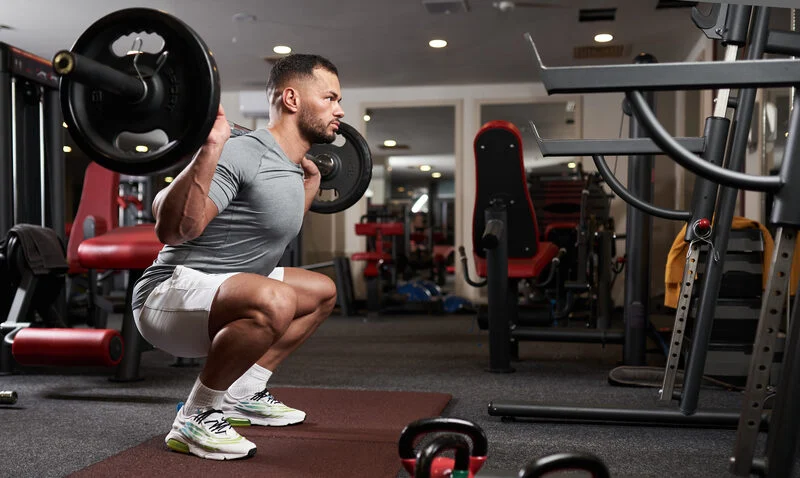
Weight training in soccer isn’t about following a cookie-cutter routine. It’s about customizing your approach to fit your unique needs, your position, and your personal goals.
Whether you’re hitting the weights, mastering bodyweight moves, or focusing on functional training, the main goal stays the same: to stay agile, explosive, and injury-free on the field.
I hope this breakdown on how should soccer players lift weights has given you clarity and motivation to take your training to the next level.
If you’re ready to dive deeper, keep reading — there’s more to unlock!

Common Questions
Here are some common questions related to how should soccer players lift weights:
Should soccer players lift heavy or light?
If you want to get better at soccer, lifting lighter weights with higher reps should be your focus. This approach builds the endurance, speed, and agility you need on the field—not just raw strength.
Sure, strength matters, but soccer is about explosive power and quickness. That power comes from the right balance of strength, technique, and agility working together.
Most players benefit from moderate to heavy weights on big compound moves like squats, lunges, and deadlifts. But the real game-changer is doing lighter, controlled lifts with higher reps. This trains your muscles to stay strong without getting bulky and slow.
Remember, every rep with perfect technique is a step closer to being faster, sharper, and harder to beat. Focus on quality, stay consistent, and watch your performance explode.
How many times a week do soccer players lift weights?
Most soccer players hit the weights 2 to 3 times per week—not more, not less—to balance strength with skill and recovery.
On those days, focus on exercises that truly boost your game:
- Lower-body moves like squats and plyometrics to build explosive power.
- Upper-body lifts like bench press and pull-ups to create balanced strength that helps in shielding and physical battles.
- Core work to lock in stability and control on every move.
But here’s the key—how often and how hard you lift depends on your age, position, and experience. A young player needs less volume and more recovery, while a seasoned pro can handle more intensity.
The goal is to lift smart, avoid burnout, and get stronger without losing speed or agility. When you nail that balance, your whole game levels up.
Should soccer players run or lift first?
When it comes to training order, prioritize the most demanding activity that matches your goal for the session.
If you’re focusing on building strength and power, start with weightlifting while your body is fresh. That way, you can push maximum effort on your lifts and get the most out of every rep.
But if your goal is to improve endurance or conditioning, start with your running or cardio work first, then finish with lighter strength exercises to maintain muscle without wearing yourself out.
The key is to plan your training smart—balance strength and endurance in a way that helps you improve without burning out. When you get this right, your performance on the field will reflect it every single game.
Should soccer players lift upper body?
Absolutely, soccer players should include upper body weight training in their routine—but it’s not about getting bulky. The focus is on functional strength that directly improves your game.
A strong upper body helps you win those tough physical battles, keep your balance when shielding the ball, and dominate in the air during headers. Exercises like pull-ups, bench presses, and shoulder presses build the kind of strength you need to hold off opponents and stay solid on your feet.
Plus, upper body strength plays a big role in injury prevention—it supports your sprinting, quick turns, and explosive movements, keeping your body durable and ready for the demands of the game.
Train smart, focus on functional power, and watch how your physical presence on the field improves.
How to get a soccer body?
To build a true soccer body, you have to train smart across three key areas: strength, cardio, and nutrition. A soccer body isn’t about bulking up — it’s lean, explosive, and built for speed, agility, and endurance.
Focus on exercises like squats, lunges, and plyometrics to develop the power you need for quick sprints, sharp cuts, and explosive jumps. But strength alone won’t get you there. You have to blend in regular soccer drills to sharpen your skills and keep your footwork on point.
Don’t forget cardiovascular fitness. Incorporate running, high-intensity interval training (HIIT), and agility drills to boost your stamina and keep you performing at your peak for the full 90 minutes.
And finally, nutrition is your secret weapon. Fuel your body with the right balance of proteins, carbs, and healthy fats to stay lean, recover faster, and feel energized on the field.
Put all these pieces together, and you’re building a body that’s ready to dominate every game.
Do some soccer players not lift weights?
ChatGPT said:
Weightlifting is a powerful tool in soccer conditioning, but it’s not one-size-fits-all. Some players—especially those in positions that demand lightning-fast agility or those coming back from injuries—might dial back or skip weight training. Instead, they focus more on cardio, flexibility, and skill work to stay sharp and protect their bodies.
That said, nearly all top-level pros use weight training as part of their routine because it builds the full package: strength, power, and injury resilience. Whether you lift weights depends on your position, your body’s needs, and your personal goals. The key is to customize your training so it helps you perform your absolute best on the pitch, every single game.
Attention: Soccer Players & Parents
Want to become a better soccer player?
Watch this 3-minute video about discovering your true potential
Learn how to improve your skills, mindset, soccer IQ, and fitness—no matter your level. Start playing with confidence, earning respect, and impressing coaches today.
About Coach Dylan
I used to struggle with confidence in soccer, feeling slow, weak, and unmotivated. Coaches overlooked me, and friends made fun of my skills. At one point, I even quit.
But I decided to take control of my development. Through hard work, I transformed my game, earned league titles, awards, a college scholarship, and international caps.
Now, I share my lessons and help others improve through my YouTube channel (1/2 million subscribers), soccer coaching and personal training.

Free Soccer Success Planner
Struggling to make progress in soccer or stay organized with your training?
The Soccer Success Planner will help you stay focused, motivated, and increase your chances of achieving your goals in soccer.
Success doesn’t happen accidentally. Use it to set clear goals, create a plan of action, and take control of your future. Learn more about the Soccer Success Planner.
Advanced Soccer Training
Struggling to improve in soccer or unsure how to train effectively? Want to stand out and earn respect from teammates and coaches?
The Online Soccer Academy will get you better results in less time.
Thousands of players have already transformed their game in just 60 days. Learn more about how the online soccer academy.

Related Posts
Related Posts from Progressive Soccer Training:
- 5 Best Strength Exercises for Soccer Players to Boost Explosiveness
- How Often Should Soccer Players Train for Maximum Improvement?
- Top 7 Soccer Conditioning Drills to Improve Stamina and Speed
- Beginner’s Guide to Soccer Footwork: Drills to Improve Agility
- How to Avoid Injury in Soccer: Recovery and Prevention Tips
Additional Resources:
- NSCA: Strength Training for Soccer Players
- U.S. Soccer Coaching: Strength & Conditioning
- American Council on Exercise: Weight Training for Soccer
Wishing You Success In Soccer
Coach Dylan
Progressive Soccer
Online Soccer Training via Zoom
Calgary Soccer Training
Advanced Soccer Training Program
Thank you for reading this article:
How Should Soccer Players Lift Weights to Boost Performance